The Alliance for Rights and Recovery is pleased to share an exciting opportunity for peer professionals and advocates!
On Tuesday, October 28 at 2:00 PM ET, join Baltic Street Wellness Solutions leaders Modupe Mujota and Mark Clarke for the next session in the Doors to Wellbeing Peer Specialist Webinar Series:
“Eight Dimensions, One Connection: The Peer Role in Recovery and Quality of Life.”
This free webinar will explore how peer professionals play a vital role in addressing the growing crisis of loneliness by fostering authentic human connection, belonging, and recovery. Participants will learn how to integrate the eight dimensions of wellness, strengthen recovery planning, and use lived experience to build community and promote resilience. See below for more information, including registration!
Register here: Webinar Registration – Zoom
Peer Specialist Webinar Series
Tuesday, October 28
2:00pm ET/1:00pm CT/12:00pm MT/11:00am PT
Eight Dimensions, One Connection: The Peer Role in Recovery and Quality of Life
Registration is FREE – but you must register to attend!
Presented by Modupe Mujota and Mark Clarke
Loneliness has become a major issue today, affecting mental health, physical health, and overall well-being. Peer professionals play a vital role in addressing this crisis by offering authentic human connection rooted in lived experience. This workshop will highlight how peers reduce isolation, foster belonging, and support individuals on their recovery journey. Participants will explore the eight dimensions of wellness, wellness recovery planning, and how peer support enhances quality of life outcomes. Together, we will reflect on the power of lived experience, shared humanity, and community building in combating loneliness and advancing recovery.
Learning Objectives:
- Understand Human Connection as an Antidote to Loneliness – Describe how authentic peer relationships reduce isolation and foster a sense of belonging for individuals in recovery.
- Recognize the Unique Value of Lived Experience – Explore how sharing personal stories of resilience and hope strengthens trust and creates safe spaces for participants to engage in recovery.
- Apply Best Practices in Peer Support – Identify strategies for modeling recovery-oriented behaviors that encourage empowerment, self-advocacy, and resilience in ways that reduce disconnection and stigma.
- Integrate Wellness and Recovery Planning to Improve Quality of Life – Examine how peer-led wellness planning and the eight dimensions of wellness promote healthier, more connected lives and measurable improvements in recovery outcome

Modupe Mujota is the Chief Strategy Officer at Baltic Street Wellness Solutions, where she leads organizational strategy, policy alignment, and long-term planning to strengthen peer-driven mental health and wellness initiatives. With over 15 years of global leadership and management experience, she specializes in aligning personal development with organizational growth and financial sustainability. A proven strategist and leadership development expert, Modupe has served at executive and board levels across public, private, and nonprofit sectors. She has previously held senior government roles in Nigeria as Commissioner for Education, Science, and Technology, and as a Legislator, where she championed large-scale education reform, women’s empowerment, and developmental funding initiatives. In the financial sector, she successfully directed multi-million-dollar asset management operations, driving consistent growth and innovation. Guided by the philosophy that organizations can “do good and do well,” Modupe excels at building collaborative solutions that deliver measurable impact and sustainable growth.
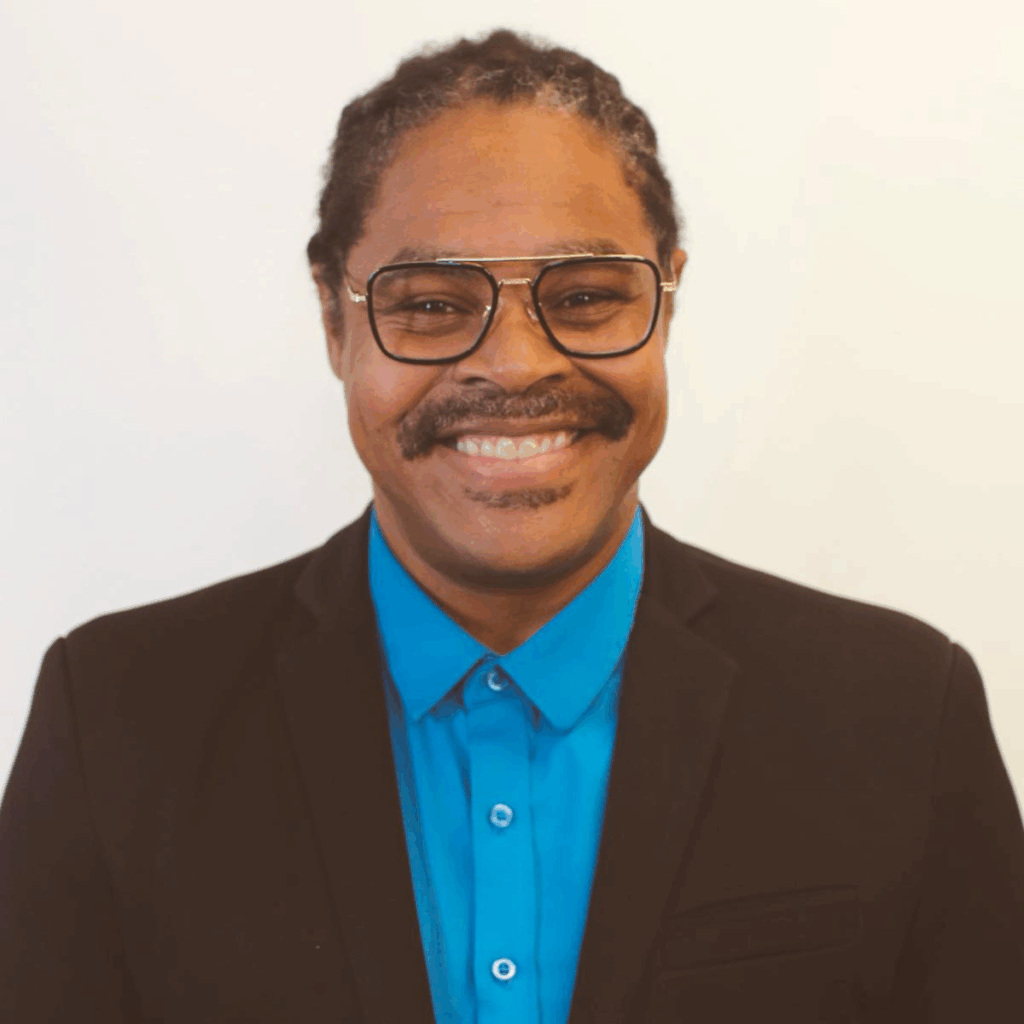
Mark Clarke serves as Chief Strategy Officer at Baltic Street Wellness Solutions, guiding the organization’s long-range vision and translating it into measurable results. He oversees strategic planning, program design, and partnership development with health systems, payers, and community organizations. Mark’s work centers on expanding person-centered, trauma-informed, and culturally responsive services—especially peer-led supports that advance recovery, housing stability, employment, and whole-person wellness. A collaborative operator and storyteller, Mark integrates performance data with community insight to strengthen contracts, improve quality, and secure sustainable funding. He is known for building high-trust teams, convening diverse stakeholders, and turning pilots into scalable models. Prior to his current role, Mark held leadership positions spanning strategy, operations, and stakeholder engagement. He is committed to advancing health equity and closing access gaps through practical, community-rooted solutions.
Certificates of Participation for 60 Minute Webinar Available
Registration is FREE – but you must register to attend!
This flyer was developed [in part] under grant number 1H79SM082653-01 from the Substance Abuse and Mental Health Services Administration (SAMHSA), U.S. Department of Health and Human Services. The views, policies, and opinions expressed are those of the authors and do not necessarily reflect those of SAMHSA or HHS.
The Copeland Center | P.O. Box 6471 | Brattleboro, VT 05302 US